Yarns, Fibers and Threads
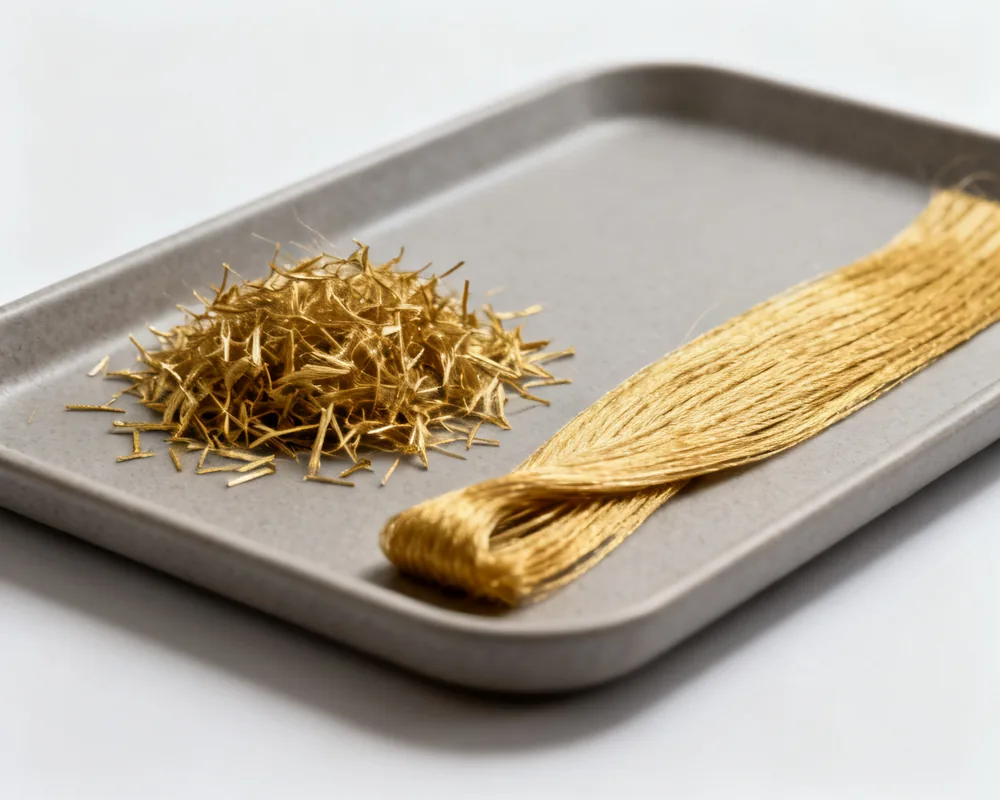
Aramid fiber and yarn questions begin with the fiber type, linear density, and supply format. A sewing thread and a reinforcement yarn are not interchangeable descriptions.
Explore relevant materialsFiber grade first
An aramid specification and a carbon fiber reinforcement review answer different questions. Name the fiber family, the construction or linear density, and the protective or composite use before a number is compared.
Discuss your fabric requirements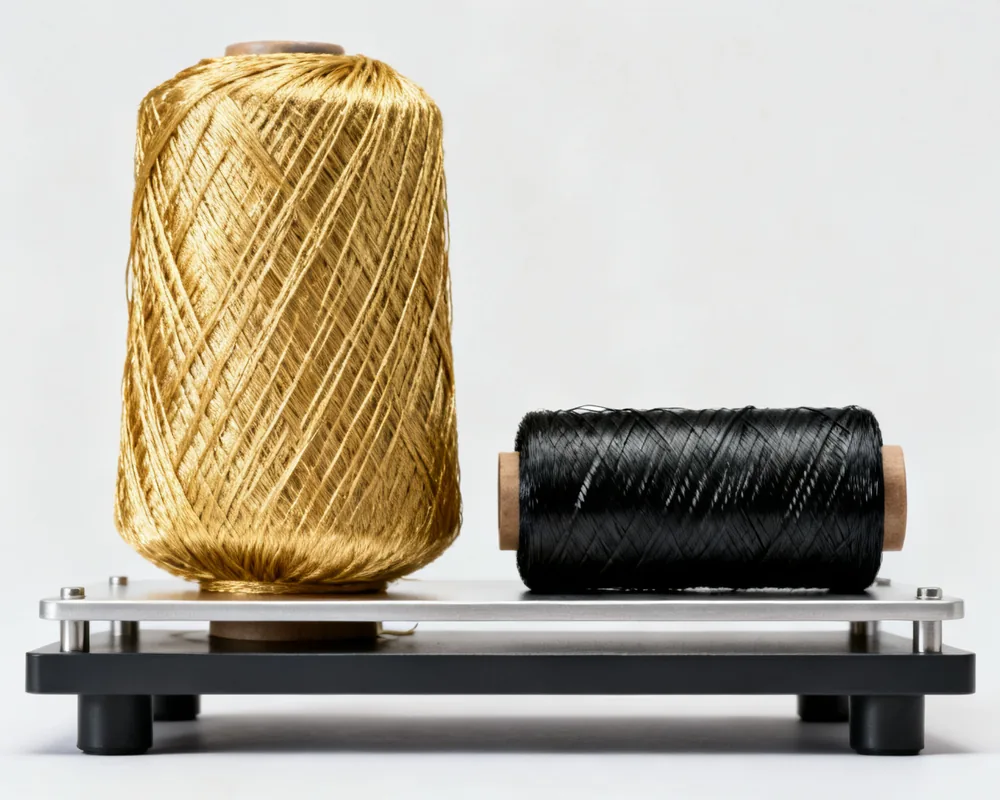
Aramid fiber and yarn questions begin with the fiber type, linear density, and supply format. A sewing thread and a reinforcement yarn are not interchangeable descriptions.
Explore relevant materials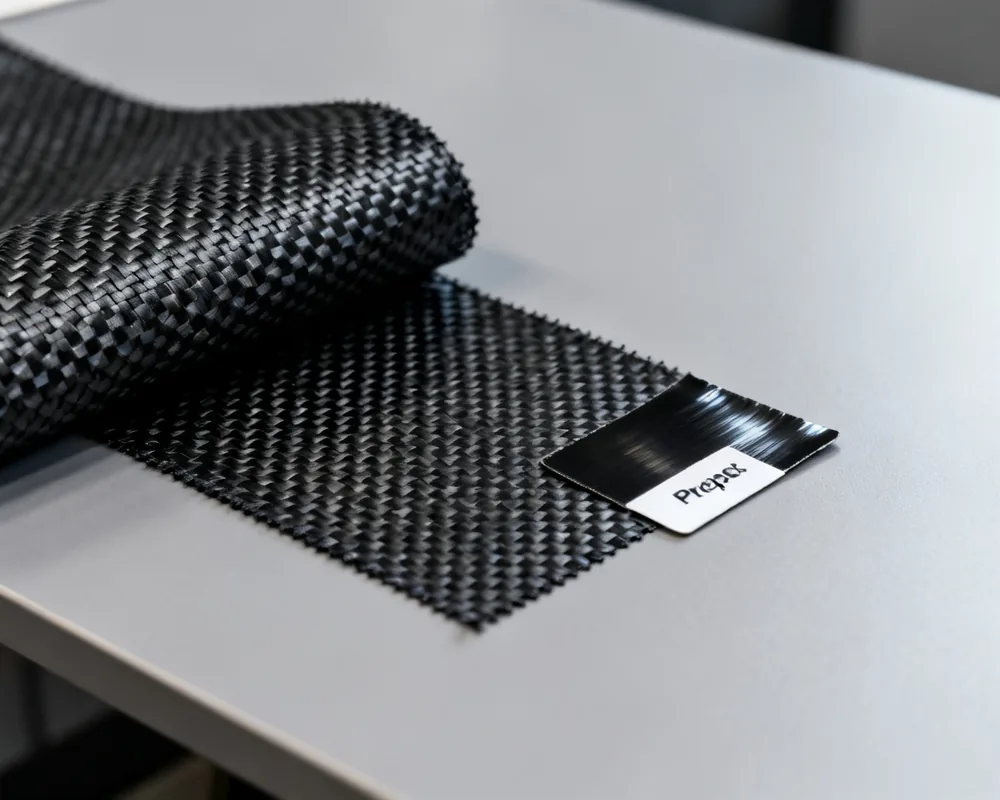
Carbon fiber fabric and prepreg discussions stay grade-scoped. Weave style, areal weight, and resin state are separate fields from an aramid fabric brief.
Explore relevant materials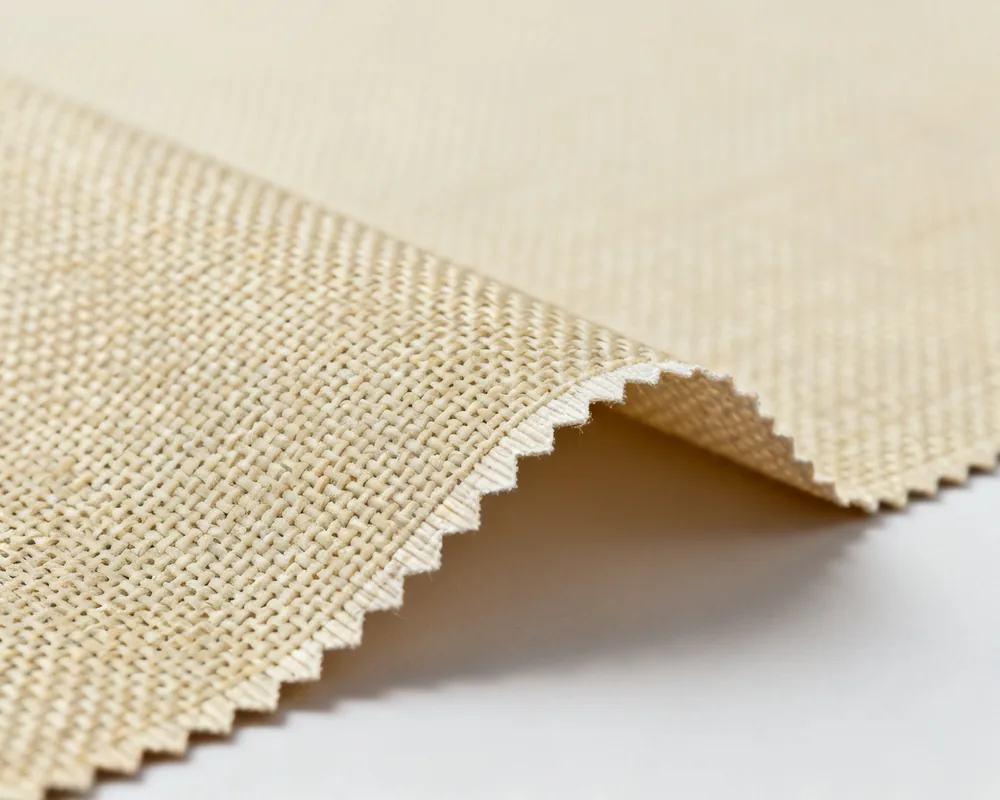
Protective fabric review covers construction, mass per unit area, usable width, and the hazard the textile is meant to address. Heat, cut, and abrasion are not one property.
Explore relevant materials| Use context | Question | Evidence to discuss |
|---|---|---|
| Protective contact | Is the concern cut, heat, abrasion, or flame exposure? | The method, specimen finish, and stopping condition for that hazard |
| Reinforcement | Is the item a carbon fiber tow, fabric, or prepreg? | Grade, architecture, and the resin or dry-fiber state being reviewed |
| Yarn or fiber supply | Which linear density and package format apply? | A dated specimen and the link to the proposed order |
Background: a protective-cover question held a woven aramid cloth and a separate request for a lower mass per unit area. Process: weave construction, usable width, and yarn count stayed with the reference, while the requested GSM was labeled as a target in g/m². Result: abrasion resistance, tear strength, and heat exposure remained separate method questions, and the lighter target was not written down as a measured result. This is a selection example, not a customer record. Natural-fiber comfort and synthetic-fiber strength can both be relevant, and neither side is an environmental ranking. A coated cloth is reviewed by coating add-on; a laminated cloth is reviewed by film peel. Those are different specimens.
Linear density stays in one unit. The conversion is dtex = denier × 0.9, so 1 denier is 0.9 dtex and 1 dtex is about 1.11 denier. Fiber composition is percent by mass, and the stated parts sum to 100. A yarn or tow has no usable width. A fabric width in centimetres is the cuttable width, not the full cloth with the selvedge. Visible cloth notes keep warp, weft, pilling, seam slippage, dimensional stability, and tensile strength apart. Staining colorfastness is read on a 1–5 gray scale and lightfastness on a 1–8 blue-wool scale. Hydrostatic head, water vapor transmission, and air permeability are recorded when coating add-on or lamination is present. Roll inspection and batch traceability ask for identifiers; they are not a certificate.
Mass per unit area does not identify an aramid weave, a yarn count, or a carbon fiber architecture. Handle, filament layout, and finish still need their own description.
Give the fiber family, construction or linear density, usable width when the item is a fabric, and the protective or reinforcement use. Note shade only when color is part of the approval.
Only after the method, specimen state, and grade scope match. A heat result, a cut result, and a tensile result describe different behaviors and should not be stacked into one claim.
Fiber family · linear density or construction · GSM where relevant · usable width · finish or resin state